Look after your DNA with good nutrition

Did you know that 99.9% of all our genetic material is identical in humans, which is what identifies us as a species? The 0.1% of our genetic material is different from person to person and  is what makes each person unique (causing differences in things like hair and eye colour, height and nutrition needs). These differences between people are called gene variations or polymorphisms. [1] Some gene variations may cause rare diseases (and are often referred to as mutations), while others are more common (and are just described as polymorphisms). Gene mutations and polymorphisms may interact with other genes and with factors in our environment (including diet, smoking, physical activity etc), to play a role in the development of complex disease such as Type 2 diabetes, asthma, cardiovascular disease. [1]
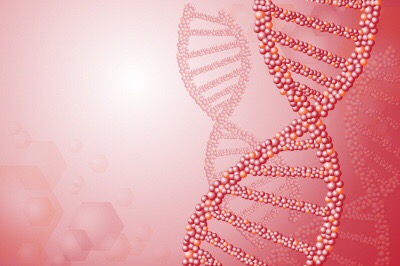

So it is really important that we do everything we can to look after our DNA. This is particularly important for sperm health, as they are literally a little head of DNA with a tail. So if you are trying to conceive, this is great advice.

There are three main ways to look after our DNA with good nutrition:

Preventing DNA damage. We should do everything we can to try to prevent DNA damage occuring because genetic mutations can lead to serious illnesses including chronic disease and some cancers.

To help prevent DNA damage from occurring ensure your diet is rich in nutrients, such as carotenoids (orange, yellow, and red foods, and dark green leafy vegetables), and foods rich in vitamin E (seeds, nuts, avocado).

DNA synthesis. In order to help our bodies synthesise or make DNA, we need foods rich in nutrients such as folate (vitamin B9) found in dark green leafy vegetables, pulses and legumes. A number of fruits are a great source of folate too, oranges being the highest but also look at grapes, grapefruits, banana and strawberries.

Other nutrients needed for DNA synthesis are vitamin B12, zinc and magnesium. If you’re a vegan then getting B12 into your diet through food alone is going to be a challenge so a supplement of at least 10 micrograms daily is recommended because Vitamin B12 is usually found in animal products. [2]

Superfoods spirulina and chia seeds are rich in magnesium; chia also being rich in zinc, iron, calcium and niacin (see below).

DNA repair is a very important: the body has the ability to repair areas, or mutations, that may have occurred due to DNA damage.  Key supporting nutrients that can assist with DNA repair are vitamin B3, or niacin, (peanuts, sunflower seeds, mushrooms), and folate (vitamin B9).

Chlorella is the fastest growing food on the planet, so eating it dramatically increases our rate of tissue repair and renewal, helping restore the nervous system, boost immunity and potentially helping degenerative disorders.[3]

It’s important to remember that it’s not just about the nutrients in isolation: so just taking a supplement of some of these key nutrients may not provide the same benefits as eating foods rich in these nutrients. There are so many other properties of foods, such as our bioactive molecules, antioxidants and polyphenols, and fibre, which also provide an important synergistic benefit. [1]

My personal recommendation would be to add a general multi mineral and vitamin supplement on top of a well balanced diet in order to ensure you are getting all the nutrients your body needs. Organic foods are best as they will be more nutrient dense, however our soils are so depleted nowadays that we need to supplement in order to ensure we put enough into our bodies through our diet.

I personally use chlorella powder blended with orange juice, avocado, kale and spinach every morning, sprinkled with chia seeds and nuts. I know that I’m nourishing my DNA and it gives me a great start to the day!

[1] Monash University https://www.futurelearn.com/courses/food-as-medicine/1/steps/77475

[2] Vegan Society https://www.vegansociety.com/resources/nutrition-and-health/vitamins-minerals-and-nutrients/vitamin-b12-your-key-facts

[3] Little book of superfoods by Tipper Lewis

Image courtesy of samarttiw at FreeDigitalPhotos.net

Jackie Marsden MAR is a qualified reflexologist, acupuncturist and independent consultant (Group Leader) for Neal’s Yard Remedies Organic. Jackie leads and mentors a growing team of consultants (many of whom are therapists integrating organic products into their existing businesses) via the NYRO social selling channel, holding regular team meetings, one-to-one coaching via phone and facetime, and a closed facebook group. All views are my own.

Growyourbusiness

Prebiotics and probiotics

Do you know the difference between pre and probiotics? If not read on to discover more.

Probiotics are commonly known as good bacteria and are widely available in supplement form, and they can also be found in some yoghurt. On the other hand, prebiotics are fibres that stimulate the growth of beneficial bacteria that are already present in your gut. [1]

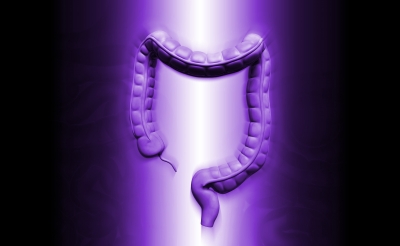
Many of the beneficial bacteria in our lower intestine feast on fibre which we can’t digest ourselves and so passes through the stomach and small intestine to be dealt with by the bacteria in our large intestine (gut). So eating a diet which is high in fibre is hugely beneficial to our gut health, because the fibre is the food for your good bacteria.

ID-10099484But do we need to take a probiotic supplement? Lots of research has been done on this and while there is mixed results from the findings, many people are agreeing that taking a probiotic supplement can help with the treatment of Travellers Diarrhoea and other gastrointestinal problems, to upper respiratory tract infections, allergies, various skin disorders, diabetes, weight loss to infantile colic.[1]

Another good time to be taking a probiotic supplement is during and after periods of antibiotic use. Antibiotics are good at killing all the bacteria, good and bad, so it is important that we put good bacteria back into our bodies to maintain a healthy gut. My mother suffered with oral thrush during courses of antibiotics for years until she discovered probiotics.

Additionally, stress can take its toll on the good bacteria of the gut.

The topic of pre and probiotics can get very complex as there are many different species of bacteria and some species can be beneficial for specific health concerns. For example, research at the University of Aberdeen has shown that eating a bowl of oats every day can clearly change the proportions of different types of bacteria in the gut, and their research has shown that some of the species that particularly increases when people eat more oats can be very good for us. These bacteria produce chemicals which are good for our hearts and for our gut lining. [2]

So my personal recommendation would be to take probiotic supplements during periods of ill health and stress, or to combat particular health concerns. But during times when health is good then eat a diet with lots of fibre including oats, and indigestible carbohydrates (oligosaccharides, dietary fibre and resistant starch). Examples of these are onions, garlic, beans and lentils, cashews, and cooked potatoes that have been cooled.

For a good, high quality supplement see Pro Bio Boost supplement from Neal’s Yard Remedies. This is suitable for vegetarians, and contains Bacillus coagulans, Lactobacillus Acidophilus, Bifido Blend 3 Strain and Inulin (a type of prebiotic/indigestible carbohydrate derived from plants). No GMO and no synthetic binders or fillers.

Or for an advanced range of probiotics and gut support supplements to promote wellbeing, take a look at Progurt. These sachets are designed to be taken over a course of 3-5 days. Each sachet is an intensive, super-strength, single dosage, equal to 40 capsules (at 25 Billion per Capsule), perfect for post antibiotics, tummy upset, gut imbalance, dairy and food intolerances, poor gut function or when travelling. Progurt are a unique formulation that were chosen to colonise and replicate. Each sachet contains Human Probiotic Isolates (HPI) identical to those found in a healthy human gut from birth. They consist of Lactic Acid Bacteria and Bifidobacteria including beneficial strains of Lactobacillus Acidophilus, Lactobacillus Bifidus and S. Thermophilus. A probiotic that understands your tummy’s past to change its future.

[1] Monash University https://www.futurelearn.com/courses/food-as-medicine/1/steps/82004

[2] http://www.bbc.co.uk/programmes/articles/4s0XkHq0HxZhjd5V2lQ2LRm/do-probiotics-do-any-good

Image courtesy of dream designs at FreeDigitalPhotos.net

Jackie Marsden MAR is a qualified reflexologist and independent consultant (Team Leader) for Neal’s Yard Remedies Organic. Jackie leads and mentors a growing team of consultants (many of whom are therapists integrating organic products into their existing businesses) via the NYRO social selling channel, holding regular team meetings, one-to-one coaching via phone and facetime, and a closed facebook group. All views are my own.
Growyourbusiness

Holistic Approaches for Multiple Sclerosis

Multiple sclerosis (MS) is a neurological condition which affects around 100,000 people in the UK. Most people are diagnosed between the ages of 20-40, but it can affect younger and older people too. Roughly three times as many women have MS as men. [1]

MS is when the body itself attacks the myelin sheath in an auto-immune response. The myelin sheath’s function is to insulate the nerves. When it is compromised it causes the neurotransmitters to function less effectively, slowing or blocking messages between body and brain. This creates tingling sensations, fatigue, tremors, pain and trouble balancing.

Dr Mercola states “While your body does have the ability to repair myelin naturally, this process tends to become less effective as you get older. Now, however, researchers [from University of Cambridge] have uncovered a natural option that might play a major role in boosting the repair of damaged myelin in people with MS: vitamin D.”[2] This emerging research is also presented by the Multiple Sclerosis society.[3]

I have been aware of MS right from the beginning of my reflexology career through my tutor, Julie Crossman, and her experience with her close and continued work with MS sufferers. During my training and professional career it is always the nervous and digestive systems I focus on within a reflexology session for an MS sufferer. A course of Reflexology Lymph Drainage would aim to help too from the auto-immune angle: isolating the immune system reflexes intends to boost and seek rebalance.

Delayed nervous responses such as moving a hand away from a hot surface, or weakening bladder control can be debilitating. The latter example causes further problems because many sufferers deliberately drink less to try to reduce this symptom but in doing so can cause bowel problems and constipation. Less water is not going to help anyone: our bodies need around two litres per day to carry out its vital functions.

ID-100140238Following a healthy diet full of antioxidant-rich fresh fruit and vegetables and a good water intake is key. A good quality Vitamin D supplement is also important.

Reflexology can also be beneficial from an emotional angle. Dr Mercola states “More often than not, some form of hidden emotional wound can also be found in patients suffering with autoimmune diseases like MS.” This has also been my findings from other readings of the condition by Ann Gillanders. The profound relaxation that reflexology invokes can create an emotional release for some people.

[1] https://www.mssociety.org.uk/what-is-ms

[2] http://articles.mercola.com/sites/articles/archive/2015/12/21/vitamin-d-multiple-sclerosis.aspx?e_cid=20151221Z2_DNL_art_2&utm_source=dnl&utm_medium=email&utm_content=art2&utm_campaign=20151221Z2&et_cid=DM93237&et_rid=1273927785

[3] https://www.mssociety.org.uk/ms-research/emerging-areas/vitamin-d

Jackie Marsden MAR is a qualified reflexologist and independent consultant (Group Leader) for Neal’s Yard Remedies Organic. Jackie leads and mentors a growing team of consultants (many of whom are therapists integrating organic products into their existing businesses) via the NYRO social selling channel, holding regular team meetings, one-to-one coaching via phone and Facetime, and a closed Facebook group. All views are my own.

Links to carefully selected affiliates.

independent-consultant-long-logoGrowyourbusiness

unnamed2

Image courtesy of Praisaeng at FreeDigitalPhotos.net

Combating Winter Colds and Viruses

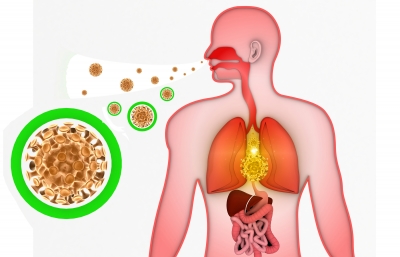
ID-100231025It’s that time of year again when the weather turns colder, the central heating goes on, and windows tend to be closed, creating a breeding ground for winter colds and viruses.

There are simple ways of combating the prevalent cold virus, and this is more in prevention rather than cure.

Immune system

Our immune system needs regular boosting so that it is ready to fight any invaders. Do this by eating lots of fresh fruit and vegetables, preferably organic. Fruit and vegetables are full of antioxidants, which fight those free radicals which are released within the body to attack.

A regular vitamin C supplement can also help boost the immune system, optimising it for attack. Have you ever drunk a glass of organic juice and noticed its acidic effect on the digestive system? This is caused by the ascorbic acid. The vitamin C supplement I use contains Calcium Ascorbate instead, which is slow release, non-acidic form of vitamin C.

Stress will also damage our immune system, prioritising our adrenalin and sympathetic nervous system, and thus neglecting those systems that are not needed for immediate survival such as immune and digestion. A regular session of reflexology can help reduce stress and evoke relaxation.

Vitamin C

Patrick Holford’s advice re. vitamin C absorption is to take around 2 grams every 4 hours. This will saturate the tissues with vitamin C and thus flushing out the cold virus, maintaining a high level of immune protection. [1] This will completely blow the Recommended Daily Allowance (RDA) out of the water, however vitamin C is water soluble and thus the body cannot store excess amounts in fat – it simply excretes via the kidneys.

The RDA was written years ago based on the nutritional value of our foods after the war – nowadays our foods are nutritionally poorer due to the depleting quality of our soil. This is why I advocate an organic based diet and lifestyle. If we don’t adopt this way of life our future foods will be nutritionally worthless.

Antioxidants

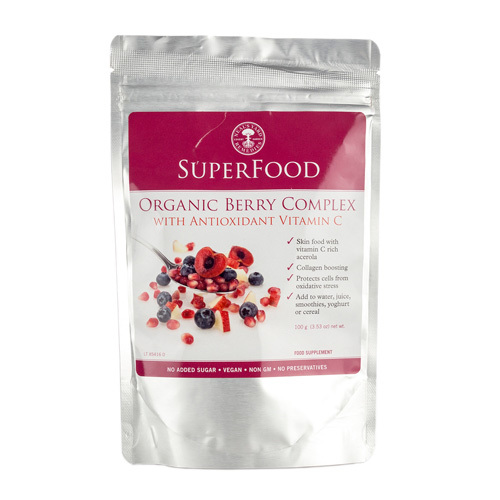
berry complexI have been using the Organic Berry Complex to continually saturate my body’s tissues throughout the day, particularly if I know I’m going to be busy with clients, driving long distances or late nights. Whiz up 2 scoops of the complex with some sprigs of mint and a blender jug full of water. Add a glug of Elderberry syrup to give a deeper taste and a richer content. It tastes amazing, so refreshing and the children love it too. Take a small glass of it regularly throughout the day to top up.

The supplements created by Neal’s Yard Remedies Organic are superior in the way they work because they are synergistic blends of carefully selected and sourced vitamins and minerals. Vitamins and minerals work with each other to do their jobs efficiently – not in isolation.

[1] Patrick Holford The Optimum Nutrition Bible pg. 289 How to kill a cold

Jackie Marsden MAR is a qualified reflexologist and independent consultant (Team Leader) for Neal’s Yard Remedies Organic. Jackie leads and mentors a growing team of consultants (many of whom are therapists integrating organic products into their existing businesses) via the NYRO social selling channel, holding regular team meetings, one-to-one coaching via phone and facetime, and a closed facebook group. All views are my own.

independent-consultant-long-logoGrowyourbusiness

unnamed2

Image courtesy of cooldesign at FreeDigitalPhotos.net

Winter is here so where will we get our Vitamin D from?

Generally known as the “sunshine vitamin”, our main source of Vitamin D is from the sun. It is needed in the body for healthy teeth and bones, but it also has links to other diseases such as mulitple sclerosis, depression, cancer, autism (lots of research is ongoing).

sunshine

Vitamin D is make via ultra violet (UV) light, and this type of light comes with health warnings during the summer months which is why we wear sun cream. There are 3 types of UV light: UVA, UVB and UVC.

UVB is the one which makes Vitamin D. During the winter months, the UK is at too higher latitude (above 35 degrees north of the equator) meaning only UVA hits the earth’s surface. There is insufficient UVB for the body to make Vitamin D during the winter months here in the UK.[1]

Vitamin D is a fat soluble vitamin, which means that it can be stored within the body (unlike water soluble vitamins such as B and C which cannot be stored and any excess will be excreted via the urine). Some people can store enough Vitamin D to last through the winter months without any problems.

However many people might be deficient in Vitamin D because they don’t go outside very much.  Examples include disease and illness forces them to stay indoors, they live a sedentary lifestyle watching TV for large proportions of the day, they work long hours in front of a computer, or they use so much sun block during the summer that their skin is not exposed to the UVB rays.

This is why a supplement is a good idea particularly over the winter months in the UK and other northern hemisphere countries. Combine the insufficient UVB and the little Vitamin D we get from our diets (oily fish and eggs) gives you a good reason to supplement.

In the UK the recommended amount is 400 international units (10 micrograms) a day for adults at risk of deficiency because of lack of sunlight. [1] But as we are all at risk of this during the winter months, my own opinion is to supplement daily.

Research data from the University of Aberdeen[1] suggests that Vitamin D status was higher for people who took sunny holidays abroad, and for those who were taking fish oils. The latter can be explained 2-fold: fish oils do contain small amounts of Vitamin D, and also fish oils are an essential fatty acid which optimises the body to store Vitamin D (remember Vitamin D is fat soluble).

Dr Mercola also suggests a Vitamin D supplement is optimised if taken alongside some healthy fat.[2] He also argues that 400IU is not enough and recommends a higher dose, however a study carried out by the University of Aberdeen showed that when the daily amount was increased from 400IU to 1000IU the marker of Vitamin D only increased by a small amount, revealing that the body is reluctant to increase to much higher levels.

It is important to remember that although you can take too much Vitamin D, there is a wide safety margin. So whether you decide to take 400IU or 1000IU or somewhere in between, it is generally a safe amount to take daily over the winter months.

As with all vitamins and minerals, they don’t work in isolation, which is why I use those formulated by Neal’s Yard Remedies Organic which are synergistic blends from plant sources surrounded by superior absorption capsules which are released within 15 minutes of entering the stomach.

Why not try the Multi Mineral and Vitamin Boost which is a synergistic blend of plant-sourced vitamins B, C, D and E and zinc. Combine with a healthy fat, such as the Organic Beauty Oil, Omega 3-6-9 or a teaspoon of coconut oil, or take a look at the Vitamin D supplement which is sourced from algae.

[1] FutureLearn course: Nutrition and Wellbeing University of Aberdeen http://www.futurelearn.com

[2] http://articles.mercola.com/sites/articles/archive/2015/05/10/vitamin-d-recommended-dietary-allowance.aspx

Jackie Marsden MAR is a qualified reflexologist and independent consultant (Team Leader) for Neal’s Yard Remedies Organic. Jackie leads and mentors a growing team of consultants (many of whom are therapists integrating organic products into their existing businesses) via the NYRO social selling channel, holding regular team meetings, one-to-one coaching via phone and facetime, and a closed facebook group. All views are my own.

independent-consultant-long-logoGrowyourbusiness

Image courtesy of Serge Bertasius Photography at FreeDigitalPhotos.net

What can we do for Eczema?

Eczema is dry, itchy, flaky, red and inflamed skin (and sometimes worse). It is largely a chronic condition meaning that it is long-lasting and can be controlled but not cured.

Those suffering with eczema usually suffer also with other conditions such as asthma and hay fever. This is because they are all types of allergies; the body has an inappropriate allergic reaction to antigens that are usually harmless (e.g. animal hair, pollen, dust). When the body reacts in this way it releases huge amounts of histamine which then causes inflammation, itching, sneezing, wheezing etc. It is usually the immune response that causes the damage to the body, not the allergen itself. (1)

So what can we do for eczema, and why do people suffer with eczema? I believe it has a lot to do with the gut. If we don’t have good gut health then the toxic overload is too much for our bodies and the skin will try to help by excreting those toxins. Remember that the skin is an outlet as well as a protective barrier and receptor. So cleaning up diets, eliminating processed foods, sugar, caffeine etc. and increasing the intake of vegetables and water is going to have a profound effect in the long term. I think we all have room for improvement with our diets!

But in the shorter term something is needed to apply to the skin to reduce the symptoms and give relief. This is particularly true for children whom are a large group of atopic (hereditary) eczema suffers.  Any petroleum-based products are not going to do this. The skin might feel soft and moisturised initially but after continued use the product will block the skin’s pores, causing imbalances in the skin’s natural equilibrium and resulting in even more problems.

Sodium Lauryl Sulfate (SLS) and its replacement, Sodium Laureth Sulfate (SLES) are both known irritants. Beware of products labelled “sensitive”. Many products on the market are full of chemicals that have no place on the skin. However, most people can tolerate them. For those who can’t, the manufacturer removes the problem chemicals, and replaces them with some that are actually worse, on the basis that the customer is unlikely to react to both. (2)

The following products are those which myself and colleagues have seen to be helpful with treating eczema:

NYRO baby balm. This balm protects and calms the skin with a combination of gentle, moisturising ingredients, including olive oil, coconut oil and shea nut butter. Apply as required to affected areas. One mother kindly shared these amazing photographs of her daughter’s eczema, before and after using the NYRO baby balm for 6 weeks.

eczema before

eczema after

For small patches of eczema or dermatitis, consider the NYRO Stellaria Cream  which is fabulous at reducing itching. Chickweed, a traditional herb renowned for cooling and soothing itching or red skin, is the active ingredient in this formula.

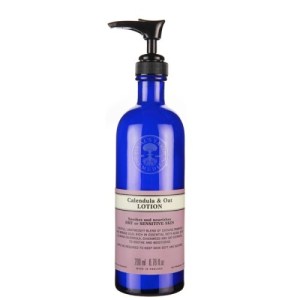
Another fantastic product to try is the anti-inflammatory and deeply soothing Calendula and Oat Lotion, which is suitable for extreme dryness and sensitive skin.

calendula_oatOne particular customer has experienced great success with seemingly uncontrollable eczema by the daily application of organic virgin coconut oil. Try to find a coconut oil that is raw, unrefined, unbleached, and processed without heat to retain its unique balance of nutrients. Applied directly to the skin, coconut oil makes an extremely effective conditioning treatment, gently soothing dry, sensitive skin or scalps.

As a reflexologist, I am very much aware of the power of stress and what it can do to the body. If you are suffering with eczema it could be exacerbated by stress, or vica versa. A course of reflexology might help the situation, calming the sympathetic nervous system and in turn stimulating the parasympathetic nervous system and allowing the body to regain a state of relaxation and homeostasis. During the reflexology sessions particular emphasis would be paid to specific reflex points, particularly those of the digestive system, endocrine system, lymphatics and immune systems.

In Traditional Chinese Medicine (TCM) the lungs are linked to the colon; they share the same meridian. This ties in with the commonalities between eczema, asthma and hayfever, and highlights another reason to look to improve digestive health. They are both organs of elimination.

Along with a cleaned-up diet, a cleansing and healing supplement such as aloe vera juice and/or beauty oil might also be used to help with the healing and replenishing process.  Aloe vera juice is an excellent digestive tonic. Beauty oil is a blend of avocado, hemp, flax and evening primrose oils.

(1) Ross & Wilson Anatomy & Physiology  in Health and Illness. p371

(2) Closed discussion thread

Jackie Marsden MAR is a qualified reflexologist and independent consultant (Team Leader) for Neal’s Yard Remedies Organic. Jackie leads and mentors a growing team of consultants (many of whom are therapists integrating organic products into their existing businesses) via the NYRO social selling channel, holding regular team meetings, one-to-one coaching via phone and facetime, and a closed facebook group. All views are my own.

independent-consultant-long-logoGrowyourbusiness

unnamed2mooncup_banner

Overfed and Undernourished

I have wanted to write this blog for a while now. Since watching Jason Vale’s documentary “Super Juice Me” (twice!) [1], I have been completely open to understanding that we need to increase nutrients and decrease toxicity in order to drastically improve our health. This blog is largely a summary of what I’ve taken on board from watching the documentary, so I have Jason to thank for this blog.

The cases of chronic disease are increasing and we are seeing more cancer and more diabetes than ever before. Jason likens our bodies and lifestyle to a fish swimming in a bowl of clean and nutrient-rich water. But, the water becomes polluted with greasy, fatty, sugary foods. Our bodies have a natural filtration system that can deal with a little bit of almost anything, but if the pollution is continual and starts to increase, our bodies start to struggle. Disease sets in. Symptoms are a warning sign that something is wrong and that something needs to change. So now imagine the fish swimming around in the dirty water, it is feeling down, ill, lethargic, depressed. What would you do? Clean the water of course! But generally, we don’t. Instead we go to the doctor who will treat the symptoms with more pollution: medicine. And so the problems go on. In many cases the medicine gets rid of some symptoms only to create new ones. Jason isn’t against medical intervention (and neither am I), but what we need to do is pay more attention to the cause, rather than the symptoms. What we need is a lifestyle change.

ID-100111764It is so true that the effect of convenience is disease. Our busy lives leave little time and so it is easier to buy those ready meals, the processed food that is quick to warm up and eat, the snacks, the biscuits, the crisps, the chocolate bars etc. We are so removed from real foods that we don’t know what we are eating. Healthy eating is a commitment, but it is a commitment worth making: the key to good health is through what we eat. I recently saw this quote on Twitter which sums up nicely: “Those who think they have no time for healthy eating will sooner or later have to make time for illness”.

When observing an overweight, obese person, the last word that springs to mind is “starving” yet this is what is happening: our bodies are literally starving of nutrients. We are overfed and undernourished. The big food industry wants to make money, so they add salt, sugar, fat and other additives to the food to make it taste great, so we buy them again. However these additives are highly addictive. Manipulating foods in this way creates a false hunger: the hunger point cut off is switched off and so we eat more and more leading to weight gain, raised blood pressure, raised sugar levels, lethargy (the list goes on). Clever marketing can even promote some of these foods as “healthy”. We need to get back to eating real foods, foods that are not made in a factory, foods that don’t come out of a packet, foods that are whole. As Jason describes them: low human intervention (HI) foods.

Jason talks about his theory of one disease: inflammation. Jason believes that largely, chronic diseases are caused by inflammation. Toxins cause injury, injury creates inflammation.

The overall message is that we need to improve our nutrient intake and reduce toxicity. This is where juicing is such a revolution, and why Jason is so passionate about it.  By adding just one or two juices a day to an already balanced diet of low HI foods can increase nutrient levels enormously. It is a great way to “clean the terrain where our cells bathe” i.e. clean the water in the fish bowl. [1] Goodbye to the meagre 5-a-day. We can start eating all those nutritious vegetables that we don’t particularly like, because juicing broccoli, cabbage, kale, spinach, celery, with a piece of ginger, or some apple, makes them taste great!

Let’s do this now, let’s not wait for the time when it might be too late. Let’s flood our cells with nutrients, let’s get healthy.

[1] Jason Vale: Jason wasn’t always slim and healthy; he used to suffer from severe psoriasis, eczema, asthma, hay fever and obesity. He used to smoke 2 – 3 packets of cigarettes a day and drank very heavily, drinking up to 14 pints of lager a day. He has used juicing as the main tool to clear his skin, drop the weight and free himself of illness.

http://www.superjuiceme.com/

http://www.juicemaster.com/who-is-the-juice-master

Jackie Marsden MAR is a qualified reflexologist and independent consultant (Team Leader) for Neal’s Yard Remedies Organic. Jackie leads and mentors a growing team of consultants (many of whom are therapists integrating organic products into their existing businesses) via the NYRO social selling channel, holding regular team meetings, one-to-one coaching via phone and facetime, and a closed facebook group. All views are my own.
independent-consultant-long-logoGrowyourbusiness

unnamed2mooncup_banner

Image courtesy of FrameAngel / FreeDigitalPhotos.net

Perimenopause : an overview

What is Perimenopause?

Perimenopause is when the body begins preparation for the stage in life where child bearing will not be the biological focus. This usually happens in a woman’s 40s and is a gradual build-up to menopause, when the menstrual cycle ceases completely. Perimenopause starts with a gradual decline in progesterone and can cause some of the following symptoms:

  • Weight gain
  • Cracked, dry or loose skin (caused by less collagen)
  • Low sex drive and/or more difficulty reaching orgasm
  • Anxiety
  • Tearfulness (especially week before period)
  • Restless sleep
  • Increased menstrual cramps
  • Night sweats [1]

These uncomfortable symptoms are because the body is trying to adjust to the relative oestrogen excess.

Not only do the sex hormones (oestrogen and progesterone) have to make the transition, so do other hormones. For example, cortisol levels (a stress hormone) will increase, and insulin resistance can be more common. Because of this, it is vitally important to eat a healthy, balanced diet and to find ways of managing and/or coping with stress.

Before menopause, the ovaries are the major oestrogen secretors. However, as they become less active during perimenopause and menopause, the balance shifts until finally around half of the body’s oestrogen and progesterone is made in the adrenal glands. If stress levels are high, the adrenal glands will always prioritise the secretion of the stress hormones over the creation of sex hormones. Thus, finding ways of lowering stress will ensure the adequate amount of sex hormones is produced in a woman’s body in her 40s and beyond, maintaining balance.[1]

In addition, the body might look elsewhere for oestrogen once the ovaries start to slow down. This could easily lead to weight gain because fat cells are a key source of oestrogen storage. Furthermore, if a woman is already obese before menopause then the fat cells may create too much oestrogen in comparison to progesterone, leading to increased oestrogen dominance. [1]

Oestrogen dominance is also likely during prolonged periods of stress. This is because the stress hormone cortisol competes with progesterone. Thus progesterone levels decrease, inducing an imbalance of oestrogen and progesterone. [2] Signs of decreased progesterone, and oestrogen dominance, are:

  • Decreased sex drive
  • Irregular or otherwise absent periods
  • Bloating
  • Breast swelling and tenderness
  • Mood swings (irritability and/or depression)
  • Weight gain (particularly abdomen and hips)
  • Cold hands and feet
  • Headaches, especially pre-menstrual [3]

ImageHow to cope

Find ways of managing/coping with stress that work for you. Ideas: regular reflexology or massage treatments, daily meditation, regular exercise, better time management, spending more time outdoors, spending time with animals/nature, keeping a diary or journal.

Eat a healthy balanced diet. Try to avoid white, refined carbohydrates such as pasta, bread, cake and biscuits. Make a switch to fresh vegetables, white meat and fish, pulses and whole grains.

Switch to organic. Eating organically can be expensive; if you cannot afford to go completely organic, try to avoid the Environmental Working Group’s (EWG) “Dirty Dozen”. This means if nothing else, always buy the following as organic produce (or avoid altogether): apples, celery, cherry tomatoes, cucumber, grapes, hot peppers, nectarines, peaches, potatoes, spinach, strawberries, peppers, kale and courgettes. The EWG’s “Clean 15” is a list which can be classed as “safe non-organic”: asparagus, avocados, cabbage, melon, sweetcorn, aubergine, grapefruit, kiwi, mango, mushrooms, onions, papaya, pineapple, frozen peas, sweet potatoes. [4]

Reduce use of stimulants such as caffeine and alcohol. Stimulants send the body’s hormones on a roller-coaster ride of high peaks followed by low drops creating a multitude of problems including cravings and fatigue.

Don’t be too hard on yourself. Don’t eliminate everything from your diet and make yourself miserable. Allow yourself that morning coffee; enjoy a piece of cake once a week; switch to a darker variety of chocolate with less sugar; enjoy a weekend glass of wine.

If you are looking for fertility support in Lancashire please get in touch.

References

[1] Is it me or my hormones? by Marcelle Pick 2013

[2] The Optimum Nutrition Bible by Patrick Holford 2004

[3] The Wisdom of Menopause by Dr. Christiane Northrup 2009

[4] Environmental Working Group http://www.ewg.org/foodnews/

Jackie Marsden MAR is a qualified reflexologist and independent consultant (Team Leader) for Neal’s Yard Remedies Organic. Jackie leads and mentors a growing team of consultants (many of whom are therapists integrating organic products into their existing businesses) via the NYRO social selling channel, holding regular team meetings, one-to-one coaching via phone and facetime, and a closed facebook group. All views are my own.
independent-consultant-long-logoGrowyourbusiness

unnamed2mooncup_banner

Image courtesy of stockimages / FreeDigitalPhotos.net