I think I’m safe in saying that we all look forward to the summer and the summer holidays.
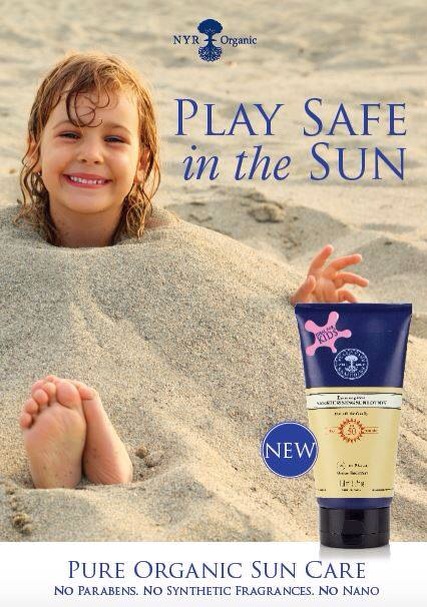
The problem with the summer is the risk of sun damage to our skin, from prolonged exposure, burning and skin cancers.
We need to find a good balance between safe sun exposure for vitamin D production whilst simultaneously protecting us against skin cancer.
UV explained
The sun’s UV (ultra violet) rays can be a danger. They both have strong links in the development of skin cancers. Here they are explained in a nutshell:
UVA: these rays penetrate deep into the skin and are strongly connected to premature aging. This is the predominant tanning ray.
UVB: these rays mostly affect the surface of the skin and cause reddening and sunburn.
The World Health Organisation have identified UV as a human carcinogen.
Which suncare product?
Firstly look for “Broad Spectrum”. This means that the product has been tested and guaranteed to provide both UVA and UVB protection.
Many suncare products usually contain synthetic and potentially toxic chemicals e.g. sun filters, preservatives, colouring, perfume. Nano technology is often used too, however this means that these tiny particles are then absorbed by the body and can be harmful to the environment.
Neal’s Yard Remedies use a physical barrier as opposed to a chemical barrier. A certified non-nano form of zinc oxide is used, which is processed so that the particles become transparent. This allows the zinc to better cover and shield the skin while minimising the white cast that used to be a common trait of physical sunscreens.
A physical barrier is much better for us than a chemical barrier which can be absorbed through the skin and be toxic to the body.
Other suncare nasties are oxybenzone, octocrylene, honosalate, octonoxate, methylisothiazolinone, the latter a common preservative to which more than 10% of the population are allergic (Allergy UK).
Chemical suncare ingredients are linked to hormone disruption, skin allergies, and traces have even been found in mothers’ milk!
Neal’s Yard Remedies use natural mineral filters blended with deeply nourishing and organic shea butter, conditioning beeswax and moisturising oils of karanja and baobab, infused with cleansing lemongrass and soothing lavender essential oils (which are also naturally insect-repelling). Together they protect, nurture and moisturise the skin.
Jackie Marsden MAR is a qualified reflexologist and independent consultant (Team Leader) for Neal’s Yard Remedies Organic. Jackie leads and mentors a growing team of consultants (many of whom are therapists integrating organic products into their existing businesses) via the NYRO social selling channel, holding regular team meetings, one-to-one coaching via phone and facetime, and a closed facebook group. All views are my own.
Did you know that sanitary products are categorised as “medical devices”. “So what?” you might say. This categorisation means that manufacturers are exempt from listing the ingredients used in producing tampons and sanitary pads.
Are they really safe?
The exemption from listing the ingredients is worrying for a number of reasons. The skin around our vagina, and the vaginal tissue itself is highly vascular, leaving it permeable to a wide range of compounds. In other words, any chemical or toxin is absorbed at a higher rate and will quite possibly enter the blood stream. Chemicals or toxins entering the body via the skin by-pass the filters of the digestive system, and thus are potentially a greater danger to our health. (1)
Other personal care products such as wipes, shampoos, washes etc. are regulated as cosmetics and thus must list all ingredients used. But shouldn’t the ingredients of tampons and sanitary pads be disclosed too? I believe that they should so that women can make informed choices on what they put on their skin and what they place inside their bodies.
Undisclosed substances contained in tampons, sanitary towels and wipes, such as preservatives, pesticides, fragrances and dyes could have possible and serious health effects emerging in the form of an allergic rash, genital irritation, the onset of asthma and an increased risk of cancer.(2) There is also a question mark over their impact on fertility.
The cost to our planet
Tampons and sanitary pads create huge waste, which is an ever increasing problem for our planet.
On average a woman will use 11,000 tampons or pads in their lifetime (3). Each one takes years to degrade. This figure is quite staggering – but then – think about how many women are on the planet and how many women to come? We are needlessly creating mountains of waste. We need to do something different.
The personal cost – what is it really?
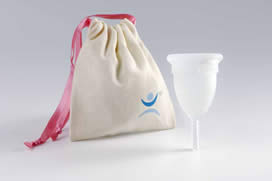
On average a woman uses around 22 sanitary items per cycle, and spends around £90 per year. (4) Multiply this by 40 years of menstruation, each woman can spend on average £3600 on tampons and pads. Compare this to a Mooncup which cost £23.50 and will last years and years. (3)
Mooncup – what’s that?
The Mooncup is a reusable menstrual cup, around two inches long and made from soft medical grade silicone. It is worn internally a lot lower than a tampon but, while tampons and pads absorb menstrual fluid, the Mooncup collects it. This means it doesn’t cause dryness or irritation, and also that it collects far more (three times as much as a tampon!). Because the Mooncup is reusable, you only need one so it saves you money and helps the environment, too. (3)
The Mooncup is designed to be folded and inserted into the vagina, then removed, rinsed and reinserted up to every 8 hours. A light seal is formed with your vaginal walls, allowing menstrual fluid to pass into the Mooncup without leakage or odour. This seal is released for removal, allowing you to empty the contents, rinse or wipe and reinsert. Comfortable, convenient and safe: the Mooncup can be used overnight and when travelling, swimming or exercising. (3)
What next?
Buy a Mooncup, start using it, and never have to buy, use or dispose of tampons and pads ever again!
Note the links to Mooncup are my affiliate links. I am only affiliated to brands/products that I use myself, and wholeheartedly believe in.
If you are looking for fertility support in Lancashire please get in touch.
Jackie Marsden MAR is a qualified reflexologist and independent consultant (Team Leader) for Neal’s Yard Remedies Organic. Jackie leads and mentors a growing team of consultants (many of whom are therapists integrating organic products into their existing businesses) via the NYRO social selling channel, holding regular team meetings, one-to-one coaching via phone and facetime, and a closed facebook group. All views are my own.
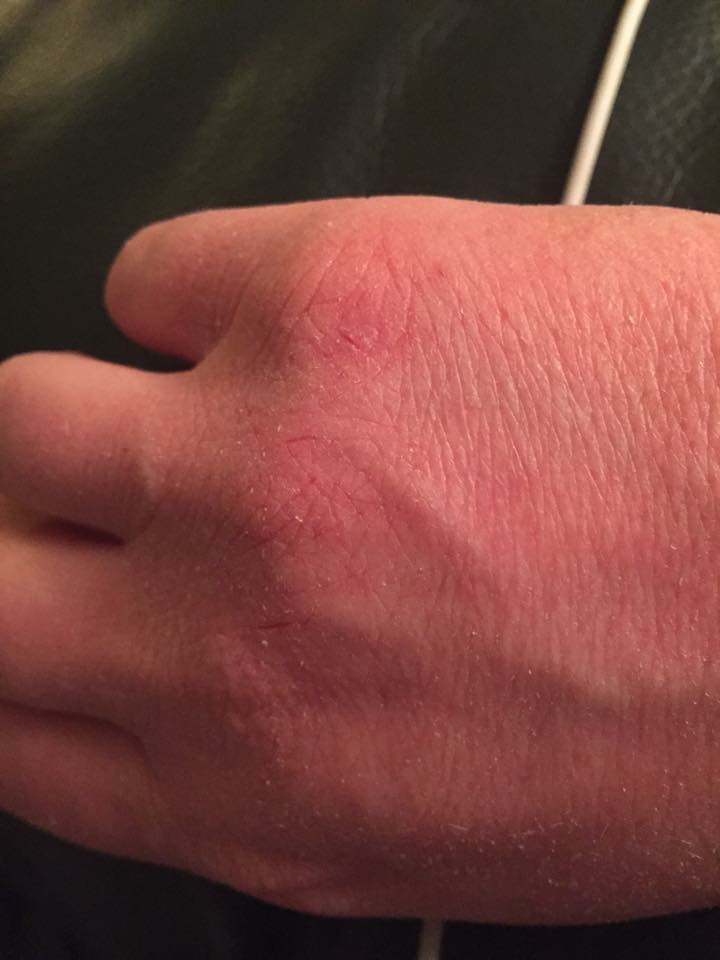
Dry, cracked, bleeding hands was something that I used to suffer with, particularly over the winter months.
Over-washing, not drying hands properly, washing with petrochemical-laiden handwash, trying to moisturise with petrochemical-laiden handcream, all contribute to the condition. Synthetic fragrance is also a big irritant.
Once I started to train as a reflexologist, I knew something had to change. I had to solve this problem as my hands were going to be the tools of my trade!
Make changes
Dry cracked skin of knuckles on hands.
The first thing to do is change your hand wash. Most hand washes available on the shelves on the high street will contain petro-chemicals: synthetic chemicals derived from petroleum. One main culprit is SLS or SLES (Sodium lauryl/laureth sulfate). This man-made detergent will strip the skin of its natural oils and it leave it bare and unprotected, flakey and inflammed. You only have to do a quick google search to discover the known evils of this petro-chemical: a known irritant used in skin-testing trials; a penetration enhancer, a corrosive.
Next, ensure you moisturise. Many high stress products contain petrolatum, paraffinum liquidum, parfum, propylene glycol or parabens. You will not be moisturising or nourishing your hands if the product contains any of these ingredients. Your skin might feel smooth and soft on the surface but these ingredients will not be nourishing your skin to help it heal. In fact they will be doing the complete opposite: blocking the skin’s pores and upsetting its natural equilibrium. In a nutshell, it will be making the problem worse. You may also experience a stinging sensation.
Switch to a brand that you can trust to give you a high quality product containing ethically sourced natural ingredients free from anything derived from petroleum: Neal’s Yard Remedies.
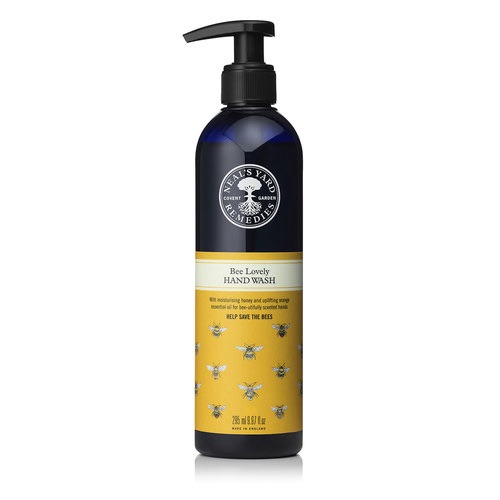
My top recommendation would be the Bee Lovely Hand Wash. Feel this difference of organic honey and fragrant, uplifting organic orange and mandarin essential oils, to gently cleanse and subtly scent the grubbiest of hands. Shop now and give your hands the gentle care that they deserve! It is gentle enough for the whole hive, including children aged 3 years and over. It also comes in a large 295ml bottle made from recycled plastic which means it is safer for children to use (rather than glass).
Organic hand wash made with moisturising, fair trade organic honey from Mexico and uplifting, sun ripened Italian and Mexican oranges, it conditions skin and lifts the spirits.
There is also an accompanying hand cream. There are many other products from Neal’s Yard Remedies that will look after your hands; nourishing, moisturising and protecting your skin, hands and nails with organic, natural ingredients.
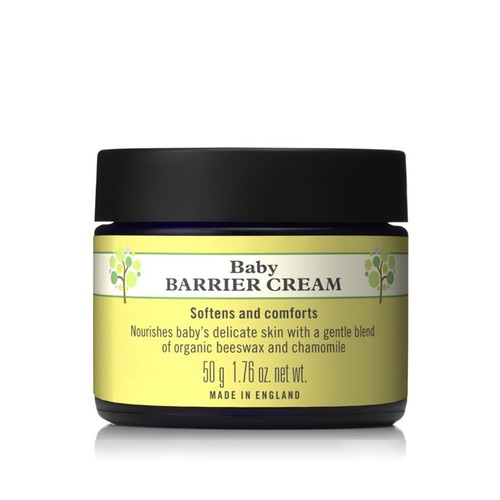
Harsh soaps can strip away natural oils, making dry hands even worse. That;s why I recommend starting with the Bee Lovely Hand Wash – it cleanses gently with organic honey and uplifting orange essential oil. Follow up with Baby Barrier Cream to lock in moisture and repair dry, cracked skin overnight,
Preservative-free cream, made with soothing organic Roman chamomile in a base of nourishing organic sunflower oil and antiseptic zinc oxide, helps prevent nappy rash.
The baby barrier cream is an excellent healing and nourishing cream. Although it is marketed at baby’s bottoms(!) this cream is excellent for working hands such as gardeners or mechanics, and eczema or dermatitis sufferers, and skin thinned by aging and long-term steroid use. Shop now for the Baby Barrier Cream and start your healing journey today.
Buy now
Try organic hand care products from Neal’s Yard Remedies Organic today – your skin will thank you! Spend £50 for free postage and packaging.
Remember, if your hands are very cracked, dry and sensitive, you will need:
Hand wash
If your hands are constantly dry, cracked, or irritated, your hand wash could be part of the problem. Many soapds and hand washes contain harsh detergents, sulfates, and sythetic fragrances that strip away natural oils, leaving your skin vulnerable. Think of it like this: trying to heeal dry hands while using a harsh soaps is like bailing water out of a sinking boat – its an endless cycle!
A gentle, nourishing hand wash is the first step to healthy skin. It should:
Cleanse without stripping – using natural ingredients that remove dirt and bacteria without drying the skin.
Soothe and protect – with botanical extracts to calm irritation and reinforce the skin’s barrier.
Prepare your skin for hydration – so your healing cream or daily moisturiser can actually do it’s job.
Start with the right hand wash – and your skin will feel softer, healthier, and more resilient – before you even reach for the cream!
If your hands are already dry, cracked, or irritated, applying a regular lotion won’t be enough. Think of it like this: you wouldn’t paint over a cracked wall without repairing it first.
A healing cream is designed to:
Repair damaged skin by deeply nourishing cracks, splits and dry patches.
Soothe irritation from chemicals, weather, or conditions like eczema.
Strengthen the skin barrier to lock in moisture and prevent further damage.
Once your hands have healed and regained their softness, then a daily cream or lotion can maintain hydration and protect against future damage.
For those who struggle with chronic dryness or irritation, incorporating a healing cream into your routine – even just a few nights a week – can make all the difference in keeping hands healthy, comfortable, and youthful-looking.
Many hand creams contain petroleum-based ingredients that can dry out skin over time. Neal’s Yard Remedies hand creams use organic plant oils that deeply nourish without harmful additives.
Hand lotion is lightweight and fast-absorbing, and provides a quick moisture boost for daytime use. Perfect after washing hands while you’re in the bathroom, and to encourage good habits.
Take care of your hands while outside. Always apply hand cream and wear gloves in cold weather.
Make sure you dry hands thoroughly after washing, and always moisturise afterwards.
Have hand wash and hand lotion next to each other at the basin to encourage good habits.
For those on a fertility journey, it’s essential to be mindful of the products you use. Avoiding petrochemicals is particularly important, as they can disrupt hormonal balance. Incorporating natural and organic products into your routine can support overall health. Learn more about my specialised Fertility Acupuncture and IVF Support services and discover how ear acupuncture points can enhance fertility. Additionally, consider reading about the connection between fertility and digestive health, as overall well-being plays a crucial role in conception.
Jackie Marsden MAR is a qualified reflexologist and clinical acupuncturist, with a particularinterest in fertility and IVF support, andlymphatic therapies.
She isalso an independent consultant (Group Leader) for Neal’s Yard Remedies Organic. Jackie leads and mentors a growing team of consultants (many of whom are therapists integrating organic products into their existing businesses) via the NYRO social selling channel, holding regular team meetings, one-to-one coaching via phone and facetime, and a closed facebook group. All views are my own.
My youngest daughter has recently contracted the common virus known as Chicken Pox (herpes varicella-zoster).
The virus can cause a high temperature, loss of appetite and the well known spots or rash. The spots start off looking like red spots, then they blister and finally scab over.
Once the blisters have scabbed over the child is no longer contagious, even though the scabs are still present and can still look alarming, particularly to other parents! They can take up to two weeks to fade and disappear.
Chicken Pox
During the blistering and early scabbing stages in particularly, itching can be pretty debilitating. My daughter didn’t try to scratch the spots but just stood there and cried in despair! At this point I used Calendula and Oat lotion. I chose this over the “traditional” calamine lotion because I always want to avoid synthetic preservatives that are found in many products nowadays.
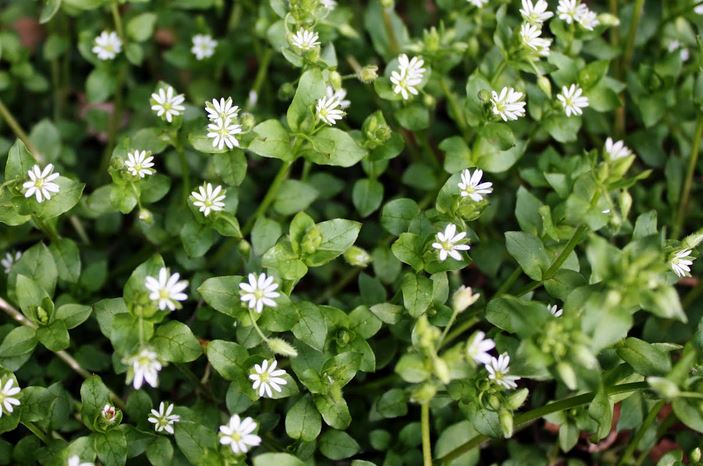
Calendula and oat lotion is deeply soothing and calming, with anti-inflammatory properties. In addition to this, it also contains Stellaria media (Chickweed) extract, a traditional herb renowned for cooling and soothing itching or red skin: ideal for Chicken Pox.
Stellaria media (Chickweed)
Oats for chicken pox:
We had only one full day of itching and feeling miserable in general. I used the Calendula & Oat lotion regularly during this day, as well as giving her a porridge oat bath for chicken pox. To do this I simply put half a cup of organic porridge oats into an old sock and knotted the top. Then I placed it under the running water when filling up the tub.
I genuinely believe that the two above remedies reduced the time of itching and discomfort for my daughter (and subsequently me!) and am now prepared for my older daughter to contract the virus too!
In addition to the above, I really wanted to give reflexology, however my youngest daughter is very much a person who knows her own mind and would not be persuaded. I would have liked to give some short and gently zone therapy with emphasis on the thymus and lymphatics to help the immune system fight the virus, and the solar plexus for calming. My older daughter is more welcoming to the therapy and she is already receiving reflexology regularly in the anticipation of catching the virus.
It should go without saying, that in addition to topical lotions and medicines such as paracetamol, what the body needs the most in situations like this is water, and plenty of it.
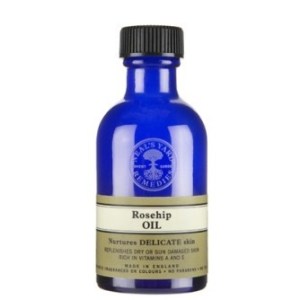
Now that the worst is over for my youngest daughter, I am now applying Organic Rosehip Seed Oil to reduce any potential scarring. Rosehip seed oil contains vitamin A, vitamin C and the essential fatty acids omega-3 and omega-6, which are fantastic ingredients to encourage skin rejuvenation, moisture replenishment, and healing.
Jackie Marsden MAR is a qualified reflexologist and independent consultant (Team Leader) for Neal’s Yard Remedies Organic. Jackie leads and mentors a growing team of consultants (many of whom are therapists integrating organic products into their existing businesses) via the NYRO social selling channel, holding regular team meetings, one-to-one coaching via phone and facetime, and a closed facebook group. All views are my own.
Eczema is dry, itchy, flaky, red and inflamed skin (and sometimes worse). It is largely a chronic condition meaning that it is long-lasting and can be controlled but not cured.
Those suffering with eczema usually suffer also with other conditions such as asthma and hay fever. This is because they are all types of allergies; the body has an inappropriate allergic reaction to antigens that are usually harmless (e.g. animal hair, pollen, dust). When the body reacts in this way it releases huge amounts of histamine which then causes inflammation, itching, sneezing, wheezing etc. It is usually the immune response that causes the damage to the body, not the allergen itself. (1)
So what can we do for eczema, and why do people suffer with eczema? I believe it has a lot to do with the gut. If we don’t have good gut health then the toxic overload is too much for our bodies and the skin will try to help by excreting those toxins. Remember that the skin is an outlet as well as a protective barrier and receptor. So cleaning up diets, eliminating processed foods, sugar, caffeine etc. and increasing the intake of vegetables and water is going to have a profound effect in the long term. I think we all have room for improvement with our diets!
But in the shorter term something is needed to apply to the skin to reduce the symptoms and give relief. This is particularly true for children whom are a large group of atopic (hereditary) eczema suffers. Any petroleum-based products are not going to do this. The skin might feel soft and moisturised initially but after continued use the product will block the skin’s pores, causing imbalances in the skin’s natural equilibrium and resulting in even more problems.
Sodium Lauryl Sulfate (SLS) and its replacement, Sodium Laureth Sulfate (SLES) are both known irritants. Beware of products labelled “sensitive”. Many products on the market are full of chemicals that have no place on the skin. However, most people can tolerate them. For those who can’t, the manufacturer removes the problem chemicals, and replaces them with some that are actually worse, on the basis that the customer is unlikely to react to both. (2)
The following products are those which myself and colleagues have seen to be helpful with treating eczema:
NYRO baby balm. This balm protects and calms the skin with a combination of gentle, moisturising ingredients, including olive oil, coconut oil and shea nut butter. Apply as required to affected areas. One mother kindly shared these amazing photographs of her daughter’s eczema, before and after using the NYRO baby balm for 6 weeks.
For small patches of eczema or dermatitis, consider the NYRO Stellaria Cream which is fabulous at reducing itching. Chickweed, a traditional herb renowned for cooling and soothing itching or red skin, is the active ingredient in this formula.
Another fantastic product to try is the anti-inflammatory and deeply soothing Calendula and Oat Lotion, which is suitable for extreme dryness and sensitive skin.
One particular customer has experienced great success with seemingly uncontrollable eczema by the daily application of organic virgin coconut oil. Try to find a coconut oil that is raw, unrefined, unbleached, and processed without heat to retain its unique balance of nutrients. Applied directly to the skin, coconut oil makes an extremely effective conditioning treatment, gently soothing dry, sensitive skin or scalps.
As a reflexologist, I am very much aware of the power of stress and what it can do to the body. If you are suffering with eczema it could be exacerbated by stress, or vica versa. A course of reflexology might help the situation, calming the sympathetic nervous system and in turn stimulating the parasympathetic nervous system and allowing the body to regain a state of relaxation and homeostasis. During the reflexology sessions particular emphasis would be paid to specific reflex points, particularly those of the digestive system, endocrine system, lymphatics and immune systems.
In Traditional Chinese Medicine (TCM) the lungs are linked to the colon; they share the same meridian. This ties in with the commonalities between eczema, asthma and hayfever, and highlights another reason to look to improve digestive health. They are both organs of elimination.
Along with a cleaned-up diet, a cleansing and healing supplement such as aloe vera juice and/or beauty oil might also be used to help with the healing and replenishing process. Aloe vera juice is an excellent digestive tonic. Beauty oil is a blend of avocado, hemp, flax and evening primrose oils.
(1) Ross & Wilson Anatomy & Physiology in Health and Illness. p371
(2) Closed discussion thread
Jackie Marsden MAR is a qualified reflexologist and independent consultant (Team Leader) for Neal’s Yard Remedies Organic. Jackie leads and mentors a growing team of consultants (many of whom are therapists integrating organic products into their existing businesses) via the NYRO social selling channel, holding regular team meetings, one-to-one coaching via phone and facetime, and a closed facebook group. All views are my own.
Firstly, to determine whether or not you are being greenwashed, it might be useful to determine what greenwashing actually is. Greenwashing is the deceptive use of green PR or green marketing to promote the perception that an organization’s products, aims or policies are environmentally friendly.
Unlike the food you eat, there is a lack of organic regulations for cosmetics, and in some cases due to the complexity of calculating ‘organic’ in beauty products, there has been a proliferation of new brands that exaggerate their organic or natural status. Some contain very few organic ingredients at all, and others also contain quite a few synthetic ingredients that no green consumer would expect or want! (1) But its not just about ‘organic’, its also about claims that products are ‘completely natural’ or ‘free from chemical nasties’. It’s nonsense when companies claim to be “chemical-free” – everything is made from chemicals – preservatives, plants, people and the universe! (1) It is the synthetically made petrochemicals that are the ones to be avoided (see previous post).
To avoid being greenwashed, choose products that have independent certification (Soil Association, USDA, etc.), or choose companies that clearly identify their ingredients and sourcing policies. (1)
Beware of clever wording
If the ingredients list states something like “Key ingredients are” and then a line of essential oils, then there is something deliberately being omitted. Where is the full ingredients list?
Some companies like to use the tag-line “paraben-free” which is great – but what are they using as a preservative instead? And what else is in the ingredients list? The marketing focus is perhaps drawing the consumer into a false sense of security.
Another clear message of suspicion is when you look at a particular company’s website to find out the ingredients list of a particular product, but none is given. Transparency is the key here. If the company is not willing to disclose the ingredients list on their website then it is likely that there is something to hide.
Remember that cosmetics ingredients are listed in order of quantity so the ingredients that make up the bulk of the formulation are listed first. The exception to this rule is is that any ingredient under one percent concentration can be listed in any order, so brands will often put more exotic ingredients first to draw customers in. (2)
Do your research
Products like essential oil blends and balms are plant and plant/wax-based and made simply from cold pressed seed oils, steam distilled essential oils and beeswax. These can be 100% organic.
Natural ingredients used in beauty care – such as clays, minerals and salt – can not be termed ‘organic’ because they are not living organisms or the products of farming. However those used in NYR products are of the finest quality and are harvested sustainably.
In NYR products the ‘functional’ ingredients such as emulsifiers (combining oil and water) and surfactants (foaming and rinsing agents) are processed from natural plant material (as opposed to being derived from petrochemicals).
Neal’s Yard Remedies has a long history of using certified organic ingredients as well as making almost all of certified organic products in its own eco-factory in Dorset in the UK. Organic ingredients are always labelled first on each product, and the little green box % box is also given. (1)
(1) https://uk.nyrorganic.com/shop/jackiemarsden/area/ingredients-statement/
Jackie Marsden MAR is a qualified reflexologist and independent consultant (Team Leader) for Neal’s Yard Remedies Organic. Jackie leads and mentors a growing team of consultants (many of whom are therapists integrating organic products into their existing businesses) via the NYRO social selling channel, holding regular team meetings, one-to-one coaching via phone and facetime, and a closed facebook group. All views are my own.
Image courtesy of Stuart Miles at FreeDigitalPhotos.net
What is Fibromyalgia? Fibromyalgia, also called Fibromyalgia Syndrome (FMS), is a long-term condition that causes pain all over the body. As well as widespread pain, people with Fibromyalgia may also have increased sensitivity to pain, fatigue, muscle stiffness, sleep disorders, problems with mental processes (“brain-fog”) e.g. problems with memory and concentration, dizziness and balance problems, headaches and migraines, digestive upsets. The exact cause of Fibromyalgia is unknown, but it’s thought to be related to abnormal levels of certain chemicals in the brain and changes in the way the central nervous system (brain, spinal cord and nerves) processes pain messages that are carried around the body. (1)
How might reflexology help Fibromyalgia sufferers? When we are stressed our bodies are on constant high alert, engaging our sympathetic nervous system ready to “fight or flight”. However this means that the parasympathetic nervous system is shut down, so things like digestion, relaxation and sleep patterns will not have optimum conditions to function properly. Pain is an obvious stress, both physically and mentally.
Reflexology is deeply relaxing which can help the body and mind break the constant stress cycle and seek re-balance. In general, we have around 7000 nerve endings in the feet, making them particularly sensitive and helpful for accessing the whole body. Reflexology might help manage and reduce the symptoms of Fibromyalgia through a tailored treatment plan specific to the patient’s particular issues. Depending on the level of intensity of pain, shortened reflexology treatments might be advisable to begin with. Below are the key symptoms of Fibromyalgia and the subsequent reflex points I can pay particular attention to during treatments:
Joint pain: concentrate on the relevant reflex points on the feet for joints concerned e.g. shoulder, knee, hips, jaw. Adrenal gland reflexes can be gently worked to stimulate the production of the body’s own anti-inflammatories and pain management.
Fatigue: pay attention to the adrenal glands and pancreas reflexes. This aims to increase energy and re-balance and regulate blood-sugar levels.
Sleep disorders: work the diaphragm reflex (to promote relaxation and calmer breathing), pineal and pituitary gland reflexes (to promote a re-balance of circadian rhythms and of the endocrine system in general).
Digestive upsets: general relaxation techniques to awaken the parasympathetic nervous system. Colon and small intestine reflex points in particular.
Headaches and migraines: concentrate on brain, spine, particularly cervical spine, head and neck area reflexes.
Dizziness and balance: concentrate on inner-ear reflex point.
Update Jan 2016 – Since first writing this blog I have trained in Reflexology Lymph Drainage and carried out a case study on a Fibromyalgia client. Further info to follow.
Jackie Marsden MAR is a qualified reflexologist and independent consultant (Team Leader) for Neal’s Yard Remedies Organic. Jackie leads and mentors a growing team of consultants (many of whom are therapists integrating organic products into their existing businesses) via the NYRO social selling channel, holding regular team meetings, one-to-one coaching via phone and facetime, and a closed facebook group. All views are my own.
Image courtesy of stockimages at FreeDigitalPhotos.net
Parabens – what are they? Why are more and more manufacturers labelling their products as paraben-free? Why is paraben-free so important? One of my customers asked me these questions this week and so has spurred me on to write this (previously promised) blog post.
Parabens are synthetically made chemicals, derived from petroleum, and are produced very cheaply and used by the beauty industry to increase the shelf-life of products largely to prevent fungal growth within products. The individual ingredient usually ends in paraben e.g. propylparaben, methylparaben, ethylparaben, butylparaben, and less commonly heptylparaben, isobutyparaben, isobutylparaben, benzylparaben.
There is an opinion that the amount of parabens in each product is so tiny that it is negligible to the potential risks. This opinion is flawed because it does not take into consideration the very nature of personal-care products allows for daily exposure to these chemicals and the continued and gradual build up of toxicity within the body. What are the effects after prolonged and repeated use?
Parabens, once entering the body, mimic oestrogen, thus creating imbalance in our endocrine system. As they are fat soluble, so they are stored within our bodies. The absorption of substances through the skin and mucous membranes is particularly disturbing, because the body’s normal filters, the kidneys and liver, are bypassed.
Oestrogen mimicking is a concern because even the smallest amounts can disrupt the normal hormonal balance of the body. Oestrogens are known to be a cancer trigger. So one could deduce that increased levels of oestrogen in the body could be a potential cause of cancer. This is why parabens are linked in particular to breast cancer, as studies showed that parabens have been found, intact, within breast tumours. http://www.breastcancerfund.org/clear-science/radiation-chemicals-and-breast-cancer/parabens.html
Parabens are also known as a reproductive toxin causing infertility issues, generally from low sperm count. Some countries have enough doubts about their safety that they have been banned in product use, especially for children’s products.
Beware, though, of brands labelling their products as “paraben-free” when they have switched the parabens for another synthetic and potentially hazardous preservative, simply to save the brand name over concerns of health risks to the consumer. But this is for another blog post.
So you know how I’m going to summarize don’t you? Use a brand that you can trust. Use organic. Use natural. Use Neal’s Yard Remedies Organic.
Jackie Marsden MAR is a qualified reflexologist and independent consultant (Team Leader) for Neal’s Yard Remedies Organic. Jackie leads and mentors a growing team of consultants (many of whom are therapists integrating organic products into their existing businesses) via the NYRO social selling channel, holding regular team meetings, one-to-one coaching via phone and facetime, and a closed facebook group. All views are my own.
Image courtesy of imagerymajestic at FreeDigitalPhotos.net
Petrochemicals are a group of ingredients used by the beauty industry that are derived from petroleum. The beauty industry relies on a variety of basic ingredients made from petrochemicals.
These ingredients are not just bad for us, but also for the environment. Firstly, these ingredients are energy intensive to produce. Secondly, their production contributes to the depletion of finite resources. However, because they are cheap to produce, and are easily available, they dominate the products on the supermarket shelves.
Look at detergents and surfactants (allows rinsing) as an example. Whether they are derived from petrochemicals or natural material they perform much the same function in the product. Yet it is easier and cheaper for companies to use the former, without any concern for the health implications of the consumer’s continued exposure to these ingredients. Don’t be fooled by “greenwashing” either, where the addition of one natural ingredient assumes that the whole product made from natural ingredients.
In NYROrganic products, these types of functional ingredients are processed from natural plant material (as opposed to being derived from petrochemicals). Petrochemical ingredients offer no real benefits to your skin and can even be toxic. Here is a list of common petrochemical ingredients that you might be exposing your skin and body to on a regular basis:
Isopropanol: A solvent and penetration enhancer, found in make-up, shampoo, moisturisers and nail polish. It is neurotoxic, skin drying/irritating and potentially liver toxic.
Methyl-, Propyl-, Butyl- and Ethyl-Paraben: The most widely used preservatives in the cosmetic industry. Parabens can cause allergic reactions and skin rashes and are easily absorbed into the body (because they are fat soluble). They have also been found, intact, within tumour biopsies. More on parabens in a forthcoming blog.
Paraffinum liquidum: Also known as mineral oil, this is a cheap, abundant ingredient found in face creams, make-up, body lotions and baby oils. It does not add moisture or nourish the skin. Instead it can interfere with the body’s own natural moisturizing mechanism (blocking the skin), which over time can lead to dryness and chapping.
Petrolatum: Alsoknown as petroleum jelly, this mineral oil derivative is used for its emollient properties and can cause similar problems to Paraffinum liquidum. Found in lipsticks and balms, hair care products, moisturizers, depilatories (hair removal creams) and deodorants. NYROrganic simply use nature’s oils, such as sunflower, brazil nut, beeswax, shea butter, to name a few. These natural oils are absorbed into the skin, actually moisturising and nourishing the skin, rather than just making the surface feel smooth.
Propylene glycol: Can be found in moisturisers, deodorants, make-up, depilatories and soaps. It can be derived from natural sources but is usually a synthetic petrochemical mix. It is added to keep the product moist and acts as a penetration enhancer – driving other ingredients deeper into the skin. It has been linked to allergic reactions, hives and eczema. Ingredients such as PEG (polyethylene glycol) or PPG (polypropylene glycol) are related synthetics.
Sodium lauryl/laureth sulfate: Detergents commonly used in shampoos, body washes and toothpaste. Some labels list this ingredient as being derived “from coconuts”. However producing sodium lauryl/laureth sulphate requires the addition of petroleum-derived ingredients and the finished product is far removed from its vegetable origins. These detergents can cause eye irritation, scalp scurf similar to dandruff, skin rashes and allergic reactions. They can also cause damage to oral tissue and be responsible for mouth ulcers. They are particularly worrying in toothpaste because of the risk of swallowing.
Fragrance or Parfum: Around 95% of the fragrances used in toiletries and cosmetics are petrochemically-based. Often the ingredient listing “fragrance” or “parfum” can be an umbrella heading for a whole list of undisclosed ingredients. Perfumes are neurotoxic and can cause headaches, mood swings, depression, dizziness and skin irritation. They are also very common triggers of asthma attacks.
References/Further reading:
The Dirty Dozen: 12 ingredients investigated by the David Suzuki Foundation
Jackie Marsden MAR is a qualified reflexologist and independent consultant (Team Leader) for Neal’s Yard Remedies Organic. Jackie leads and mentors a growing team of consultants (many of whom are therapists integrating organic products into their existing businesses) via the NYRO social selling channel, holding regular team meetings, one-to-one coaching via phone and facetime, and a closed facebook group. All views are my own.
Image courtesy of stockimages at FreeDigitalPhotos.net
I have wanted to write this blog for a while now. Since watching Jason Vale’s documentary “Super Juice Me” (twice!) [1], I have been completely open to understanding that we need to increase nutrients and decrease toxicity in order to drastically improve our health. This blog is largely a summary of what I’ve taken on board from watching the documentary, so I have Jason to thank for this blog.
The cases of chronic disease are increasing and we are seeing more cancer and more diabetes than ever before. Jason likens our bodies and lifestyle to a fish swimming in a bowl of clean and nutrient-rich water. But, the water becomes polluted with greasy, fatty, sugary foods. Our bodies have a natural filtration system that can deal with a little bit of almost anything, but if the pollution is continual and starts to increase, our bodies start to struggle. Disease sets in. Symptoms are a warning sign that something is wrong and that something needs to change. So now imagine the fish swimming around in the dirty water, it is feeling down, ill, lethargic, depressed. What would you do? Clean the water of course! But generally, we don’t. Instead we go to the doctor who will treat the symptoms with more pollution: medicine. And so the problems go on. In many cases the medicine gets rid of some symptoms only to create new ones. Jason isn’t against medical intervention (and neither am I), but what we need to do is pay more attention to the cause, rather than the symptoms. What we need is a lifestyle change.
It is so true that the effect of convenience is disease. Our busy lives leave little time and so it is easier to buy those ready meals, the processed food that is quick to warm up and eat, the snacks, the biscuits, the crisps, the chocolate bars etc. We are so removed from real foods that we don’t know what we are eating. Healthy eating is a commitment, but it is a commitment worth making: the key to good health is through what we eat. I recently saw this quote on Twitter which sums up nicely: “Those who think they have no time for healthy eating will sooner or later have to make time for illness”.
When observing an overweight, obese person, the last word that springs to mind is “starving” yet this is what is happening: our bodies are literally starving of nutrients. We are overfed and undernourished. The big food industry wants to make money, so they add salt, sugar, fat and other additives to the food to make it taste great, so we buy them again. However these additives are highly addictive. Manipulating foods in this way creates a false hunger: the hunger point cut off is switched off and so we eat more and more leading to weight gain, raised blood pressure, raised sugar levels, lethargy (the list goes on). Clever marketing can even promote some of these foods as “healthy”. We need to get back to eating real foods, foods that are not made in a factory, foods that don’t come out of a packet, foods that are whole. As Jason describes them: low human intervention (HI) foods.
Jason talks about his theory of one disease: inflammation. Jason believes that largely, chronic diseases are caused by inflammation. Toxins cause injury, injury creates inflammation.
The overall message is that we need to improve our nutrient intake and reduce toxicity. This is where juicing is such a revolution, and why Jason is so passionate about it. By adding just one or two juices a day to an already balanced diet of low HI foods can increase nutrient levels enormously. It is a great way to “clean the terrain where our cells bathe” i.e. clean the water in the fish bowl. [1] Goodbye to the meagre 5-a-day. We can start eating all those nutritious vegetables that we don’t particularly like, because juicing broccoli, cabbage, kale, spinach, celery, with a piece of ginger, or some apple, makes them taste great!
Let’s do this now, let’s not wait for the time when it might be too late. Let’s flood our cells with nutrients, let’s get healthy.
[1] Jason Vale: Jason wasn’t always slim and healthy; he used to suffer from severe psoriasis, eczema, asthma, hay fever and obesity. He used to smoke 2 – 3 packets of cigarettes a day and drank very heavily, drinking up to 14 pints of lager a day. He has used juicing as the main tool to clear his skin, drop the weight and free himself of illness.
Jackie Marsden MAR is a qualified reflexologist and independent consultant (Team Leader) for Neal’s Yard Remedies Organic. Jackie leads and mentors a growing team of consultants (many of whom are therapists integrating organic products into their existing businesses) via the NYRO social selling channel, holding regular team meetings, one-to-one coaching via phone and facetime, and a closed facebook group. All views are my own.
Image courtesy of FrameAngel / FreeDigitalPhotos.net



















 Elder Cottage Clinic, Warton, PR4