Do you suffer from the Winter Blues?

I always feel a little sad during August. Towards the end of this month the long summer days are noticeably getting shorter and the summer holidays are drawing to a close. Businesses and shops are no longer focusing on summer products and are now looking at autumn/winter collections.

Inevitably, the autumn and winter will be soon upon us. Are you one to suffer with the winter blues? Some people suffer with Seasonal Affective Disorder (SAD), which although the actual cause is still unknown, it is thought to be a depression brought on with the shorter days, lack of daylight and darker mornings. Symptoms include low mood and lack of interest in life (1).

Lack of sunlight is suggested to cause an upset in the balance of the endocrine glands situated in the brain, and thus the production of the hormones serotonin and melatonin. Serotonin is known to influence mood, social behaviour, sleep and memory, whereas melatonin is connected to the body’s natural circadian rhythm (natural body clock), sensing the onset of darkness/night time and thus makes us sleepy at the right time.(2)

Reflexology would aim to help improve the symptoms of SAD, with a treatment plan focusing on the endocrine, digestive and nervous systems (note that serotonin is also produced in the intestines). A course of treatments would endeavour to rebalance the body, asking the body to ignite its self-healing processes, and thus improve mood and feelings of lackluster.

Essential oils can be of great help during this time. Uplifting citrus oils can be particularly beneficial particularly Bergamot. Diffuse a few drops in a bowl of hot water into the room you are going to be in and close the door. Alternatively invest in an electric aromatherapy diffuser.

Other things you can do at home would be to ground yourself and recharge your body with negative ions by walking or standing barefoot in the garden or in the local park for a few minutes every day. Reconnecting with nature, either walking near trees or next to water, on the beach or beside a lake can also uplift the spirits and fill you up with negative ions, which are so powerful in making us feel good, giving us more energy, better sleep and generally feeling part of the world again.

(1) http://www.nhs.uk/conditions/Seasonal-affective-disorder/Pages/Introduction.aspx

(2) Ross and Wilson Anatomy and Physiology in Health and Illness 12th Edition

Jackie Marsden MAR is a qualified Reflexologist and an independent consultant for Neal’s Yard Remedies Organic. All views are my own.


independent-consultant-long-logo
Growyourbusiness

What is Reflexology?

I recently participated in a pamper evening, and it surprised me that many did not know what reflexology was! I don’t remember a time when I have ever not known what reflexology is, which upon reflection, says an awful lot! So here is a brief guide to what reflexology is, where it came from and what it aims to achieve.

Reflexology – What is it?

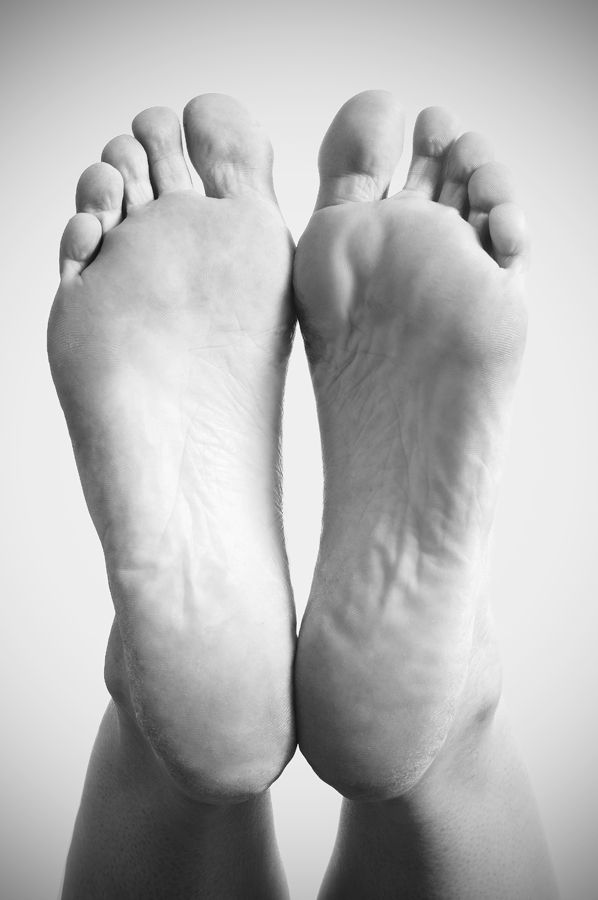
Reflexology is a “hand’s on” treatment which is applied to the feet (or hands) but its philosophy is to treat the whole body i.e. it takes a holistic approach to healing. It is based on the idea that the feet are mini-maps of the body, and by applying pressure techniques to particular reflex areas on the feet will have a stimulating effect elsewhere in the body.

It is a fact that there are over 7000 nerve endings in each foot, so by therapeutically stimulating these nerve endings will achieve a deep sense of relaxation. It is estimated that 75% of disease is stress-related, so regular relaxation is highly recommended.

Overall, through tension-relieving and energy releasing, a reflexology treatment aims to promote the body’s self-healing abilities.

BKPA2080d

Where did it originate?

Reflexology has been known to man for thousands of years, practised by the early Indians, Chinese and Egyptians. However, reflexology as we know it today has its origins in America with an Ear, Nose and Throat specialist Dr William Fitzgerald, who founded “Zone Therapy” in the early 1900s. He discovered that certain areas, when applied with pressure, relieved pain and created numbness, but also when the pressure was removed, the cause of the pain was largely reduced too. Once these areas had been mapped they were known as “zones”. Dr Fitzgerald’s physiotherapist, Eunice Ingham, took great interest and became a pioneer in Zone Therapy throughout the USA. Ingham then devised a map of the body within the feet and the hands, developing and evolving “Zone Therapy” into “Reflexology”. Dawn Bayly brought Reflexology to the UK in 1966 after studying with Ingham in the USA and set up the Bayly School of Reflexology. Hanne Marquardt and Joseph Corvo also discovered Ingham’s Zone Therapy and worked on and evolved variations of Zone Therapy around the same time, the latter also taking into account the pressure points in the face.

Reflexology is an holistic therapy, working on the whole body and the person, not just the symptoms of the illness or disease. It has become one of the most popular forms of complementary therapy practised today.

What can it do for me?

Reflexology may bring relief to a wide range of conditions such as stress, anxiety, asthma, irritable bowel syndrome, sciatica, depression, back pain and is safe and suitable for all ages.

Reflexology offers an individual some dedicated “me time” to relax and unwind, offering deep relaxation and combating stress.

Jackie Marsden MAR is a qualified reflexologist and independent consultant (Team Leader) for Neal’s Yard Remedies Organic. Jackie leads and mentors a growing team of consultants (many of whom are therapists integrating organic products into their existing businesses) via the NYRO social selling channel, holding regular team meetings, one-to-one coaching via phone and facetime, and a closed facebook group. All views are my own.

independent-consultant-long-logoGrowyourbusiness

unnamed2mooncup_banner

Image copyright Jackie Marsden 2016